Getting the size right makes a gate easy to live with. Too narrow and you'll be clipping mirrors; too tall next to the road and you might need planning permission. Here's how I approach it. (Don't worry about measuring to the millimetre – I'll measure up properly before anything's made.)
Width
Measure the gap between the posts or pillars. Then think about:
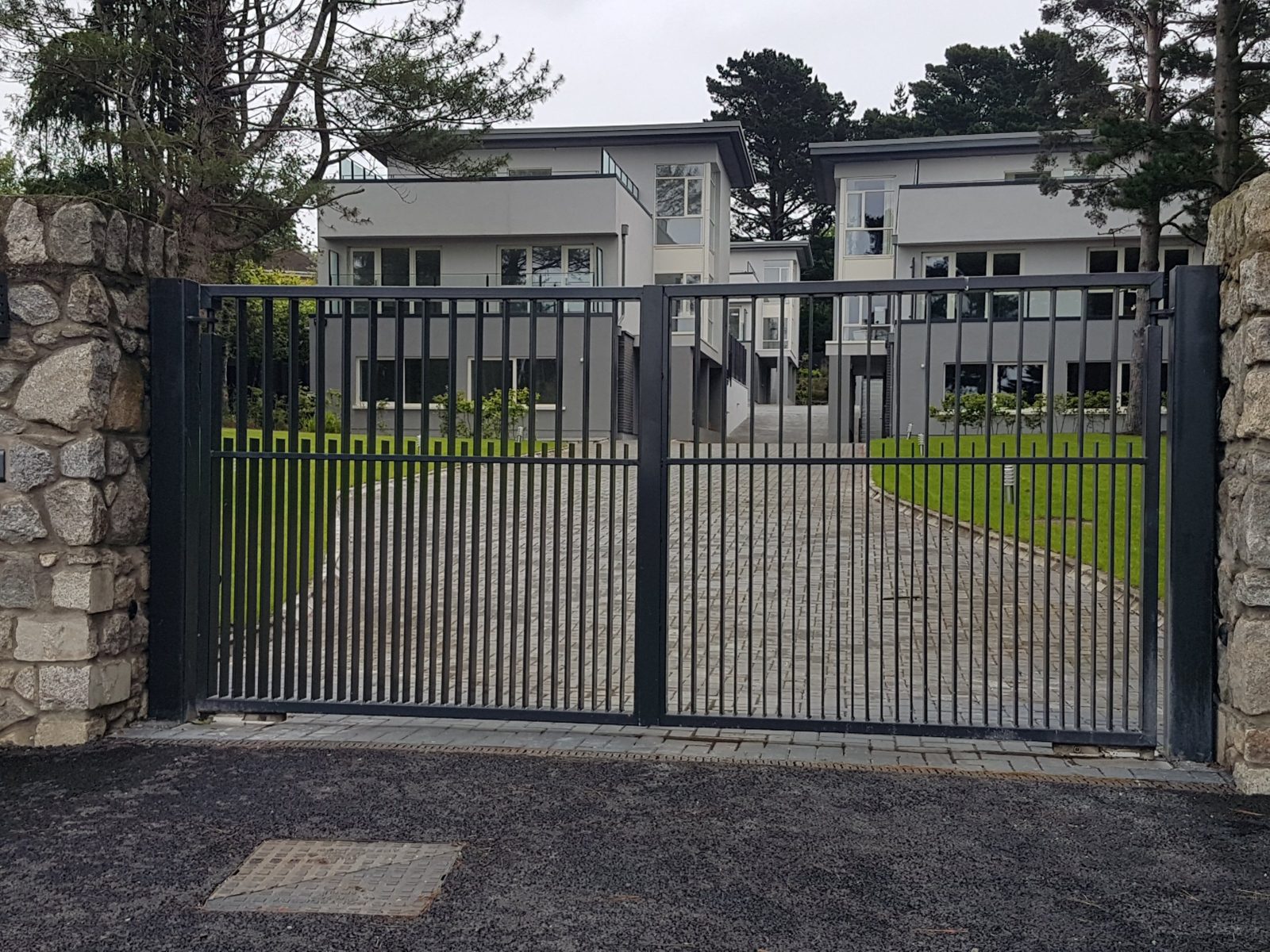
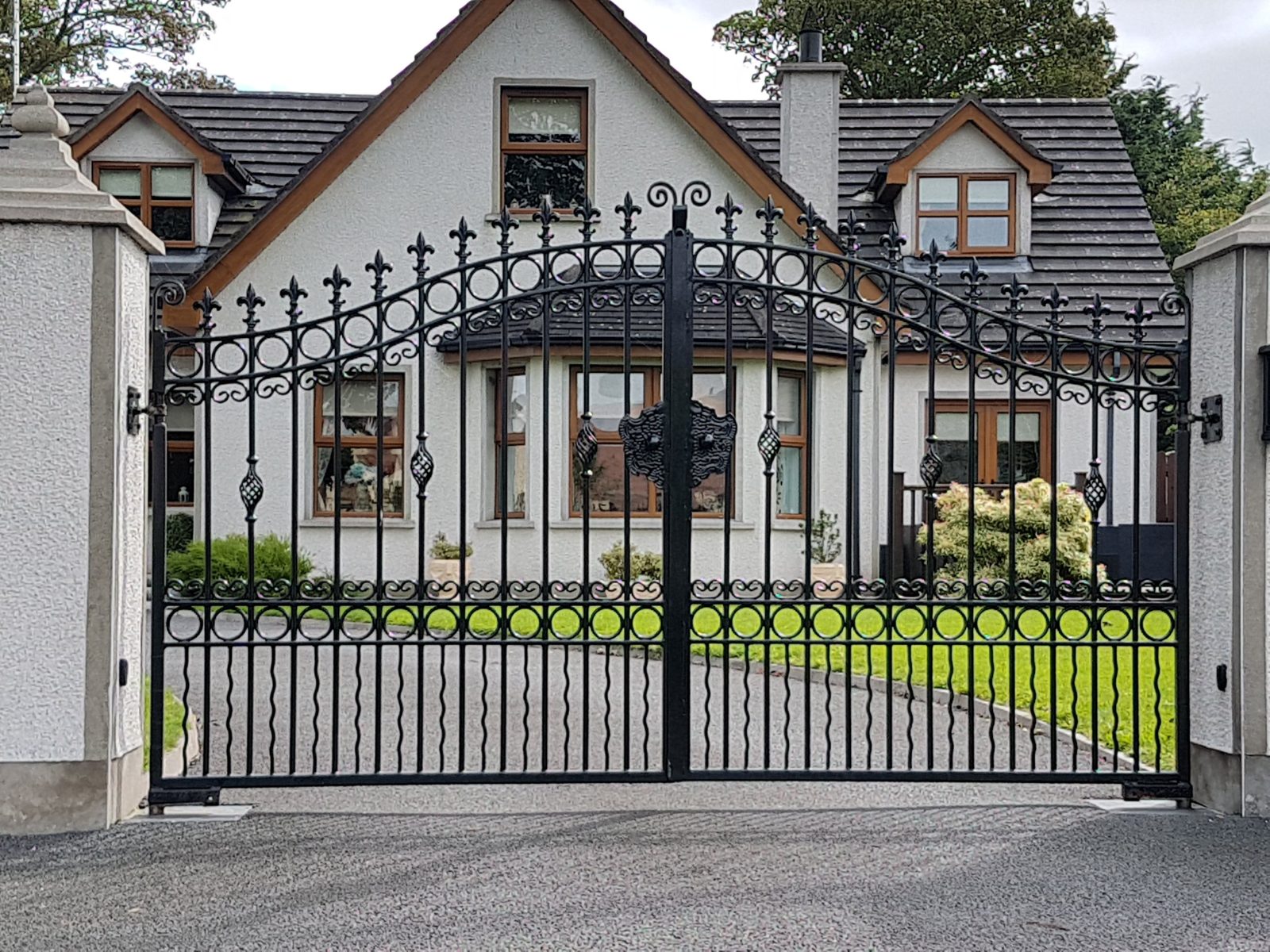
- Your vehicles. Allow plenty of room either side of the widest vehicle that'll use the drive – vans, trailers and caravans included. Many driveway openings are around 3 to 4 metres wide; if you're turning in off a narrow road, wider is easier.
- The angle of approach. If you have to turn sharply into the drive, you need more width than if you drive straight in.
- Swing gates or sliding? A pair of swing gates splits the width into two leaves. A sliding gate needs a clear run beside the opening about as long as the gate.
Measuring Your Driveway Gate Width
The width of the opening sets the size of the gates and the motors that drive them. Wider gates are heavier and catch more wind, so they need stronger hinges, posts and automation. We measure carefully before quoting.
Getting the width right also means the gates close neatly without gaps or binding.
Gate Sizes That Suit the Automation
A gate that's too tall or too heavy for its motors will wear them out early. We match the gate's size to the right CAME motors so they work comfortably within their limits.
If your existing gates are struggling because of their size, we can recommend upgraded motors or modifications to reduce the load.
Swing space
Swing gates need room to open into your property. Each leaf sweeps an arc as wide as the leaf, so check:
- nothing's in the way – parked cars, steps, walls, bins
- whether the drive rises behind the gate (a gate can hit the slope)
- room for the motors on the inside of the posts
If space is tight, consider bi-folding gates, unequal leaves or a sliding gate.
Height
Most domestic driveway gates are somewhere around 1.2 to 1.8 metres tall. Taller gives more privacy and security, but:
- next to a road, there are height limits on what you can build without planning permission – see planning permission for gates
- taller, solid gates catch more wind, which affects the motor and posts
- the gates should look in proportion with the house and walls
Posts and pillars
The posts carry the whole weight of the gate. Wider and heavier gates need bigger posts with deeper foundations. Brick pillars need to be solid, not hollow or crumbling.
Pedestrian gate
A side gate around 1 metre wide is handy for walking in and out without opening the main gate.
Measuring up
Give me a rough idea of the opening width and height and a few photos, and I'll give you a ballpark price. Then I'll come and measure up properly. Call or WhatsApp Adrian on 07854 037752.
Questions people ask me
How wide should a double driveway gate be?
Wide enough for your biggest vehicle with room to spare on each side, allowing for how sharply you turn in. I'll advise on site.
How tall can my gates be next to the road?
It depends on the planning rules – check with your council before going tall. See planning permission.
Can gates be different widths?
Yes – unequal leaves are useful where there isn't room for two equal gates to swing.