A gate that's started making a racket is usually trying to tell you something. Catch it early and it's often a simple fix; ignore it and a worn part can become a broken motor. Here's what the different noises usually mean.
What's that noise?
| Noise | Usually means | What to do |
|---|---|---|
| Squeaking or squealing at the hinges | Dry or worn hinges | Lubricate the hinges (not the motor) – if it continues, call me |
| Grinding from the motor | Worn gears or bearings | Call me – don't keep using it if it's getting worse |
| Clunking when the gate starts or stops | Worn gearbox, loose mounting brackets, or a worn rack on a sliding gate | Call me |
| Banging as the gate closes | Missing or worn gate stop, wrong settings, or the gate's dropped | Call me – it's hard on the motor |
| Rumbling on a sliding gate | Worn wheels or debris on the track | Clear the track; call me if it continues |
| Humming with no movement | Motor straining – jammed gate, failed capacitor or stripped gear | Stop trying – call me |
| Buzzing from the control box | Electrical fault | Switch off at the isolator and call me |
Listening for Trouble in a Noisy Automatic Gate
Grinding, clunking and squealing are often the first signs of wear on an electric gate. Dry hinges, a worn gearbox, a loose fixing or a damaged sliding gate rack all make their own distinctive noise, and learning to recognise them helps us pinpoint the fault quickly.
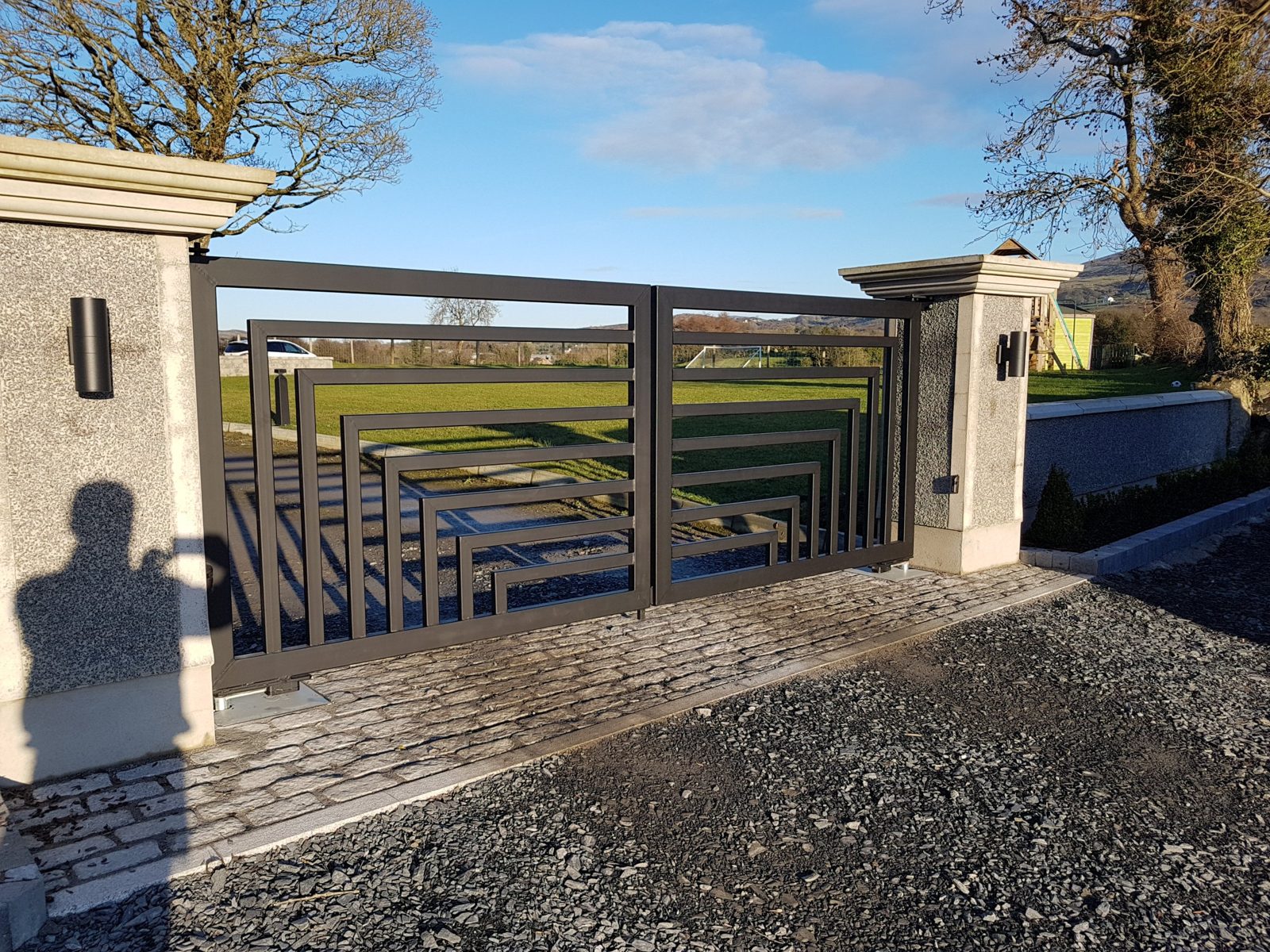
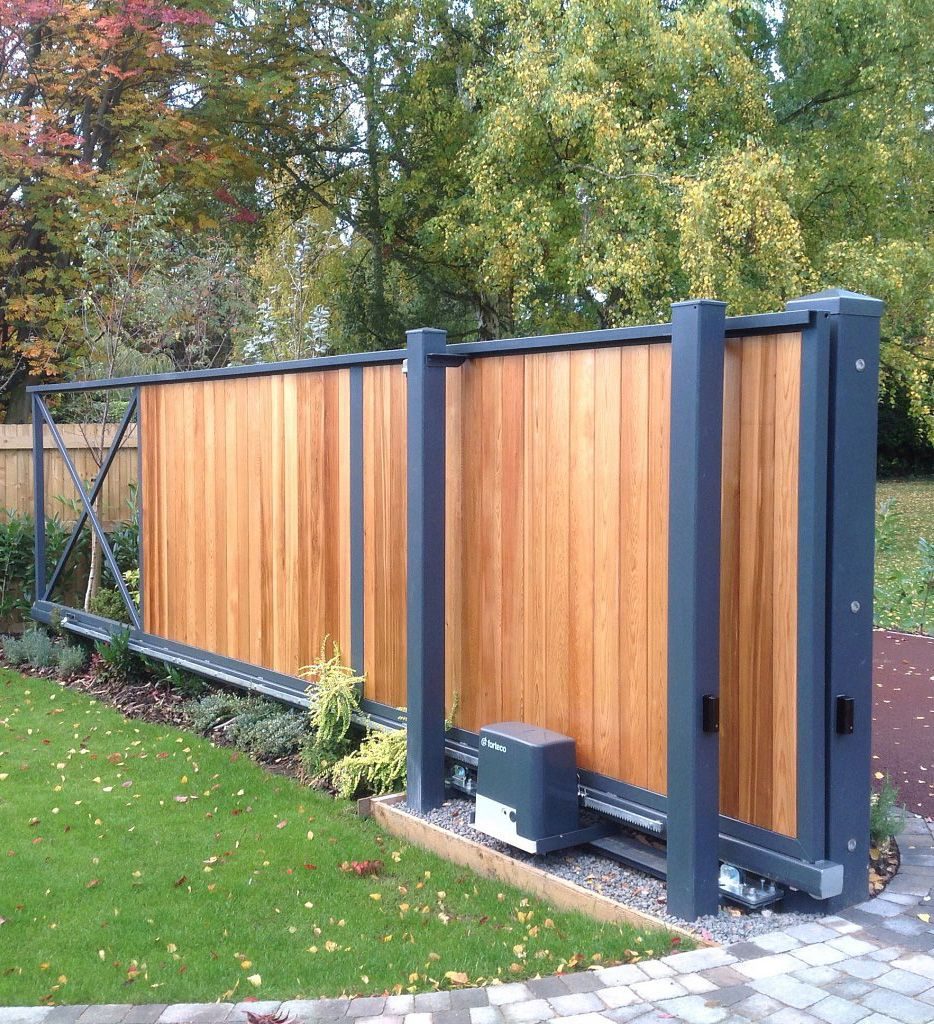
Catching a noise early is usually much cheaper than repairing the damage it eventually leads to. A gearbox that grinds today may strip its teeth next month, so it's well worth getting a new noise checked before the gate stops altogether.
Quietening and Repairing Noisy Gates in Carlisle
We track down the source of the noise, then lubricate, adjust or replace the worn parts as needed. On sliding gates we also clean and check the track, wheels and rack, as grit and wear there are behind many of the noises we hear around Carlisle.
Once the gate runs smoothly again, we check the safety devices and the closing forces, so it's safe as well as quiet. You'll get a price before we carry out any repair, and advice on how to keep the gate running quietly afterwards.
What you can safely do
- Lubricate the hinges with a suitable outdoor lubricant. Not the motor, gearbox or sliding gate track – oil on the track attracts dirt.
- Clear the track on a sliding gate.
- Look for loose fixings you can see – but don't tighten anything on the motor or brackets yourself, as that can change how the gate moves.
- Video the noise on your phone and send it to me. It really helps.
Why it's worth sorting early
Noise usually means something is wearing. A worn hinge puts more strain on the motor. A worn gearbox gets worse until it fails. A gate that bangs shut slowly shakes its fixings loose. A service now can save a motor later.
Hydraulic gates
Hydraulic motors should be smooth and quiet. If yours has started groaning, knocking or moving in jerks, it may be low on oil or have air in the system – and it needs a specialist.
Call or WhatsApp Adrian on 07854 037752 – and send me a video of the noise.
Questions people ask me
Why is my electric gate so noisy?
Most often dry or worn hinges, worn gears in the motor, or a sliding gate's wheels or rack.
Can I grease my gate motor?
No – leave the motor and gearbox to an engineer. You can lubricate the hinges.
Is a noisy gate dangerous?
Not always, but it's a sign something is wearing. Get it checked before it fails.