There are four main ways to automate a gate. Here's how they compare, and how I decide which one to recommend.
Side by side
| Overground | Underground | Hydraulic | Sliding | |
|---|---|---|---|---|
| Gate type | Swing | Swing | Swing (or sliding) | Sliding |
| Starting price | on survey | on survey | on survey | on survey |
| Visible? | Yes, on the gate | No | Rams visible, or hidden underground | Motor beside the gate |
| Heavy gates | Good | Good | Excellent | Good to excellent |
| Heavy use | Good | Good | Excellent | Good to excellent |
| Groundwork | Little at the gate | Foundation boxes | Depends on type | Base and track |
| Servicing | Easy | More involved | Specialist | Easy |
Motor Types Compared for Cumbrian Gates
Underground, overground, hydraulic and sliding motors each suit different gates and sites. Underground motors are hidden, overground motors are easy to service, hydraulics cope with heavy gates, and sliding motors suit short or sloping driveways.
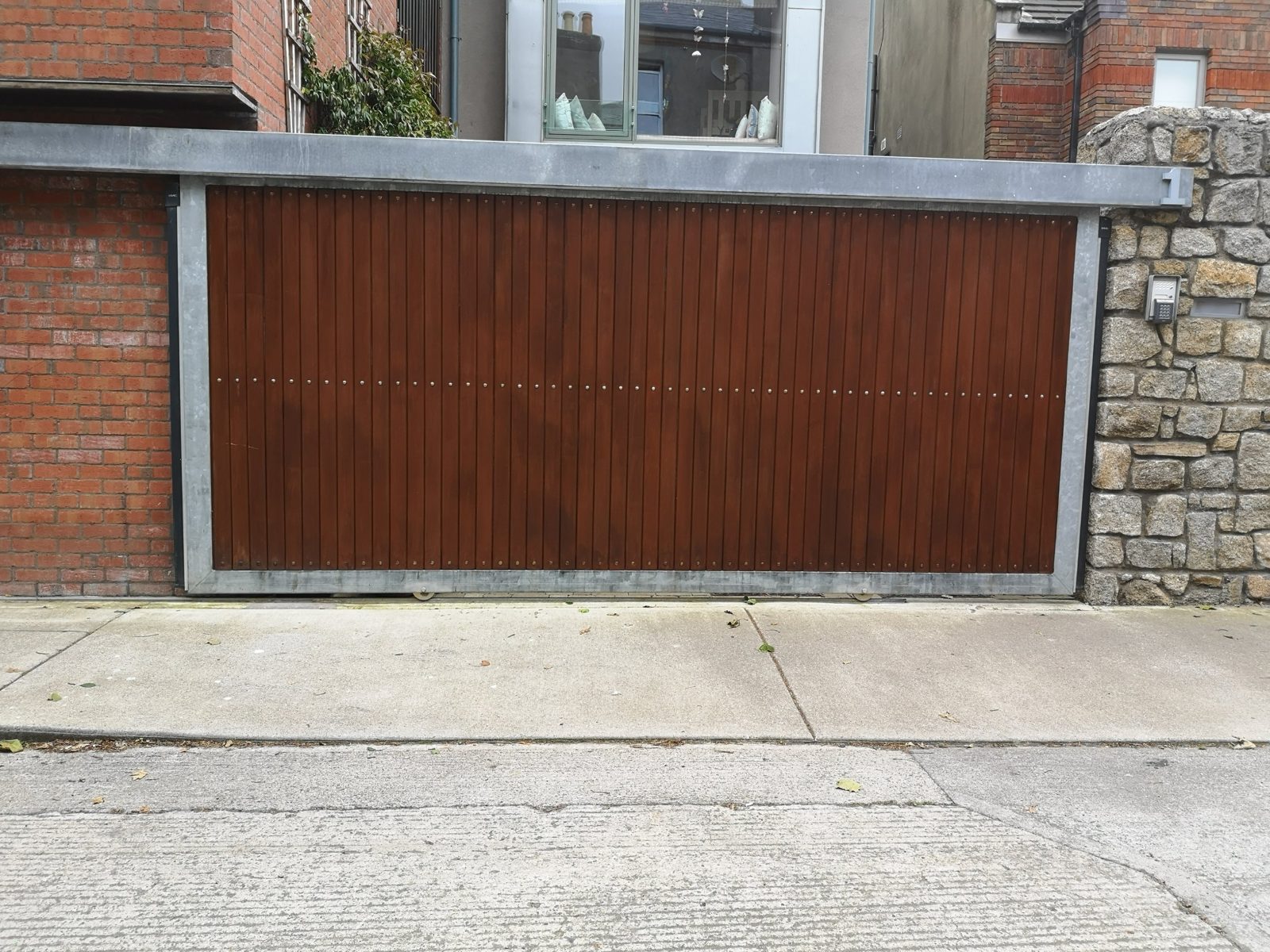
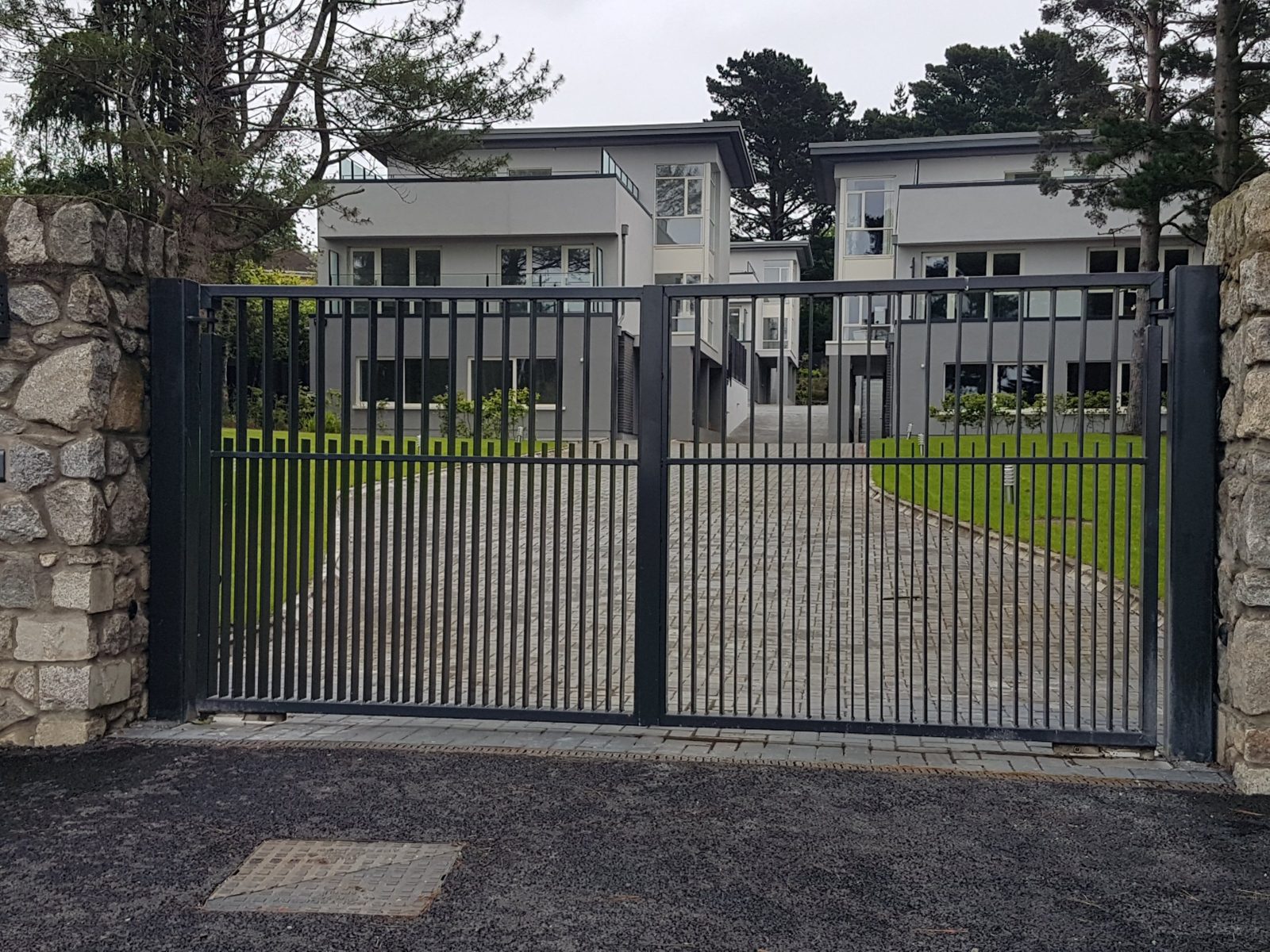
The right choice for your gate depends on its weight, its use and the space around it, and we'll explain why we recommend one over another.
Which Gate Motors Need the Least Repair Work
Reliability comes down to fitting the right motor to the gate and installing it well. In our repair work, the most common failures come from undersized motors, poor drainage under underground units and dirty tracks on sliding gates.
We fit CAME automation sized to each gate, and a yearly service keeps whichever type you choose running smoothly.
Overground motors
The all-rounder. Motor arms on the inside of the gates, fixed to the posts. Cost-effective, quick to fit and easy to service. The main downside is that you can see them. See overground gate automation.
Underground motors
Hidden in drained foundation boxes under each gate. The neatest look, and harder to tamper with. They cost more and need groundwork – and the drainage has to be right in our climate. See underground gate automation.
Hydraulic motors
Oil-driven rams or underground units. Very strong and smooth, built for heavy, large, windy or very busy gates. For new installations on gates like these we fit heavy-duty CAME motors. See hydraulic gate automation.
Sliding gate motors
A motor beside the gate drives it sideways along a toothed rack. Often the cheapest to automate, great for slopes and short driveways, and very secure. The gate needs a clear run to slide into. See sliding electric gates.
How I choose
- Swing or slide? Set by your driveway and how much space you have.
- How heavy and how big is the gate? And is it solid enough to catch the wind?
- How often is it used? A family home is very different from a car park.
- Do you mind seeing the motors?
- What's the budget?
I'll talk you through it on site and recommend what I'd fit on my own gate.
Call or WhatsApp Adrian on 07854 037752.
Questions people ask me
Which gate motor lasts the longest?
Hydraulic systems have a reputation for long life on heavy-duty gates, but any good motor that's properly sized and serviced will last many years.
What's the cheapest way to automate a gate?
For gates you already have, overground swing gate motors are usually the most cost-effective. I'll price it after a free site survey.
Are underground motors worth the extra?
If looks matter to you, yes. If not, overground motors do the same job for less.